
Living lagoon: One Laguna as ecosystem guardian
The project not only respects the ecosystem. It participates in its regeneration.
Living Lagoon: One Laguna as Ecosystem Guardian
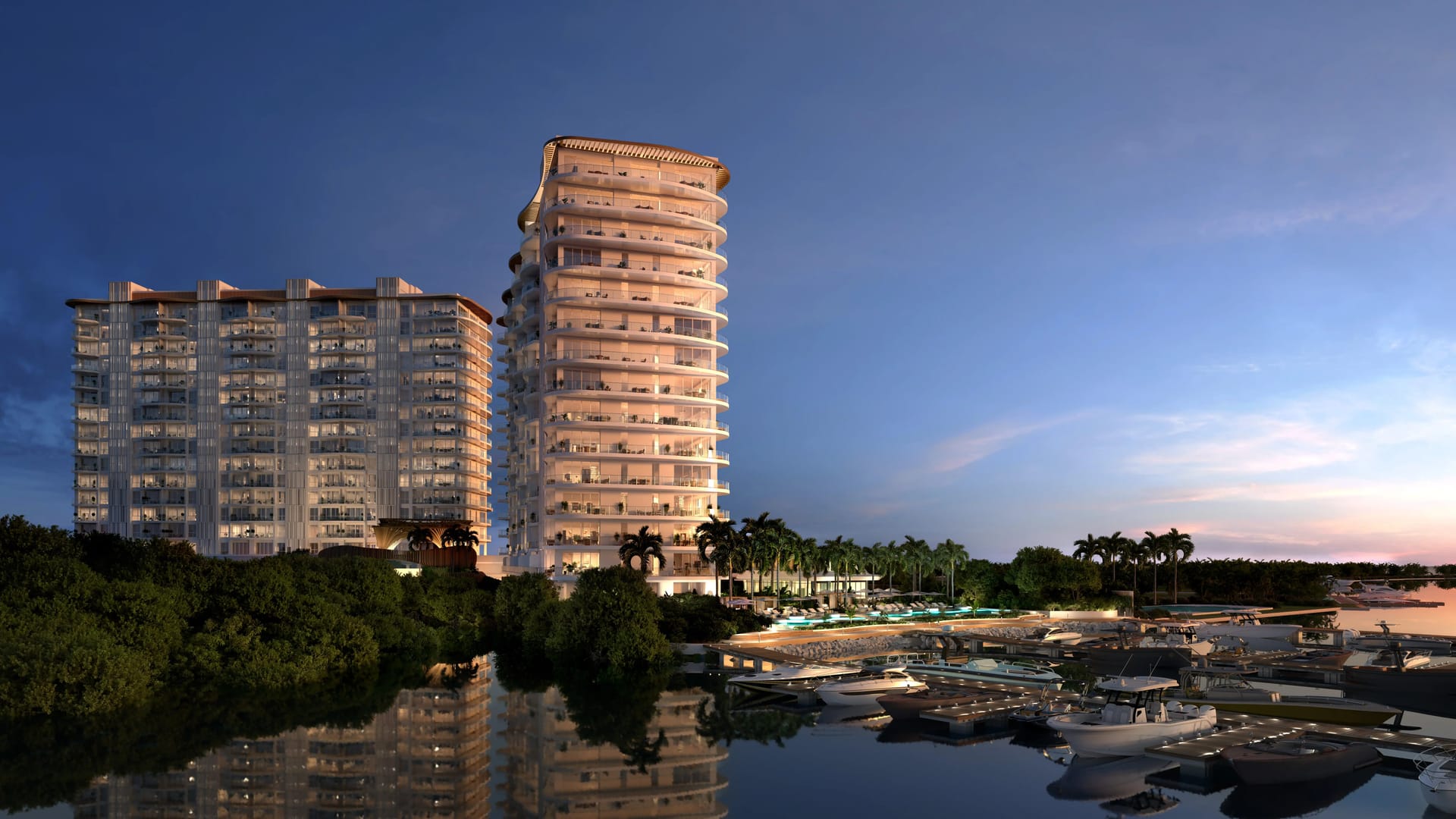
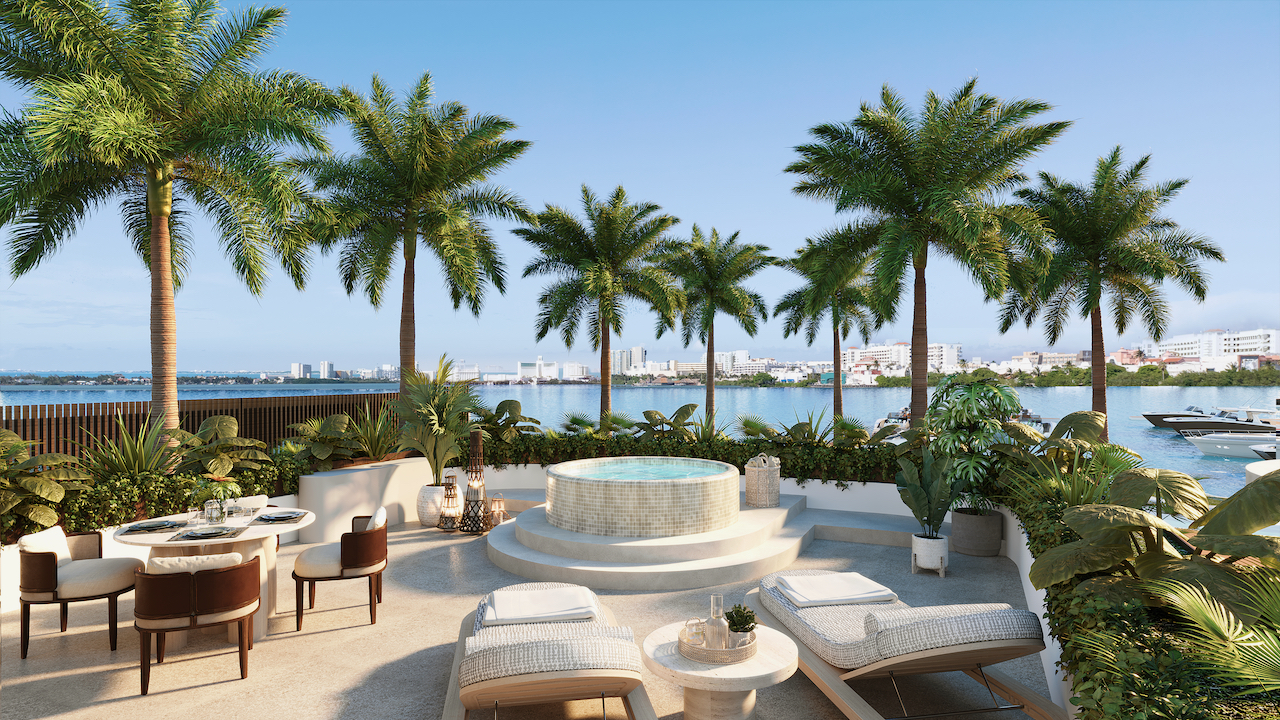
One Laguna, a luxury residential community along the pristine shores of Nichupté Lagoon, goes beyond simple sustainability. It actively supports the lagoon’s health. Instead of just avoiding harm, One Laguna helps restore and protect the natural environment. The community lives in harmony with the lagoon, blending architecture, design, and lifestyle to nurture the ecosystem.
Ecological Challenges of Nichupté Lagoon
Nichupté Lagoon is a valuable part of the Riviera Maya’s coastal landscape. However, it faces serious environmental threats. Rising salinity, shoreline erosion, and pollution from urban runoff and tourism put the lagoon’s wildlife and plants at risk. These problems also affect local fisheries and migratory birds.
To address these issues, One Laguna’s developers worked closely with marine biologists, hydrologists, and conservation experts. Their goal was clear: create a community that helps restore the lagoon, not just protect it.
Innovative Ecological Design at One Laguna
Rainwater Capture and Natural Filtration
One Laguna uses a smart rainwater system to reduce pollution. Instead of letting rainwater flow into the streets or lagoon, the community collects it and filters it naturally through wetlands filled with native plants. This process cleans the water before it returns to the lagoon, improving water quality and replenishing groundwater.
Mangrove Conservation and Restoration
Mangroves play a key role in coastal health. They protect shorelines, provide nursery habitats for fish, and capture carbon. One Laguna protects and restores large mangrove areas as part of its master plan. Residents can see how these vital forests support many marine species and stabilize the environment.
Elevated Walkways to Protect Ecosystems
To preserve the land and plant roots, One Laguna has built elevated wooden paths throughout the community. These walkways prevent soil damage and let plants and animals thrive undisturbed by foot traffic.
Eco-Friendly Lighting
Artificial lights can harm nocturnal marine life like sea turtles. One Laguna uses special lighting that reduces glare and avoids disturbing animals’ natural behaviors. Warm, shielded lights keep the area dark enough for wildlife, showing respect for the lagoon’s natural rhythms.
Architecture Inspired by the Lagoon
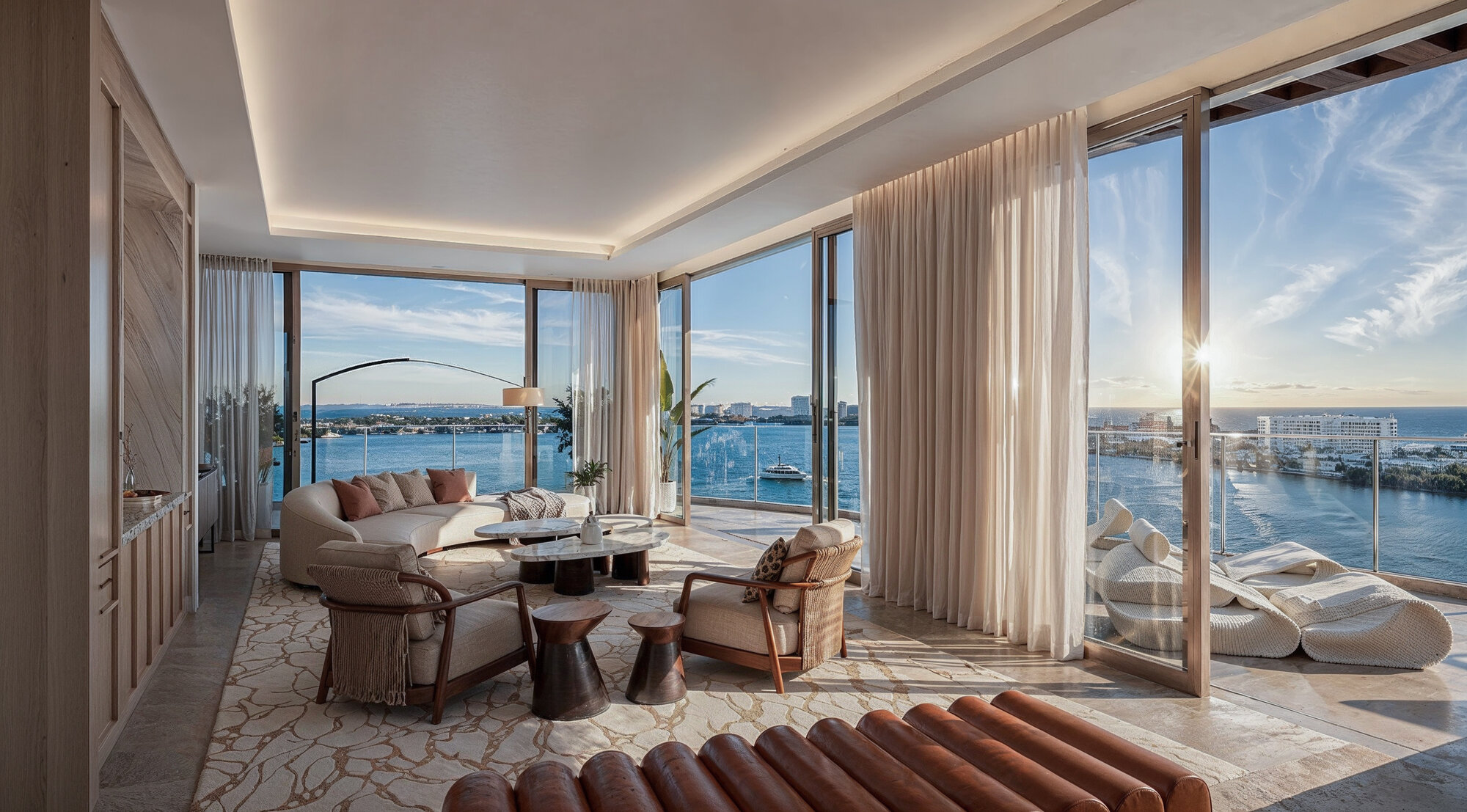
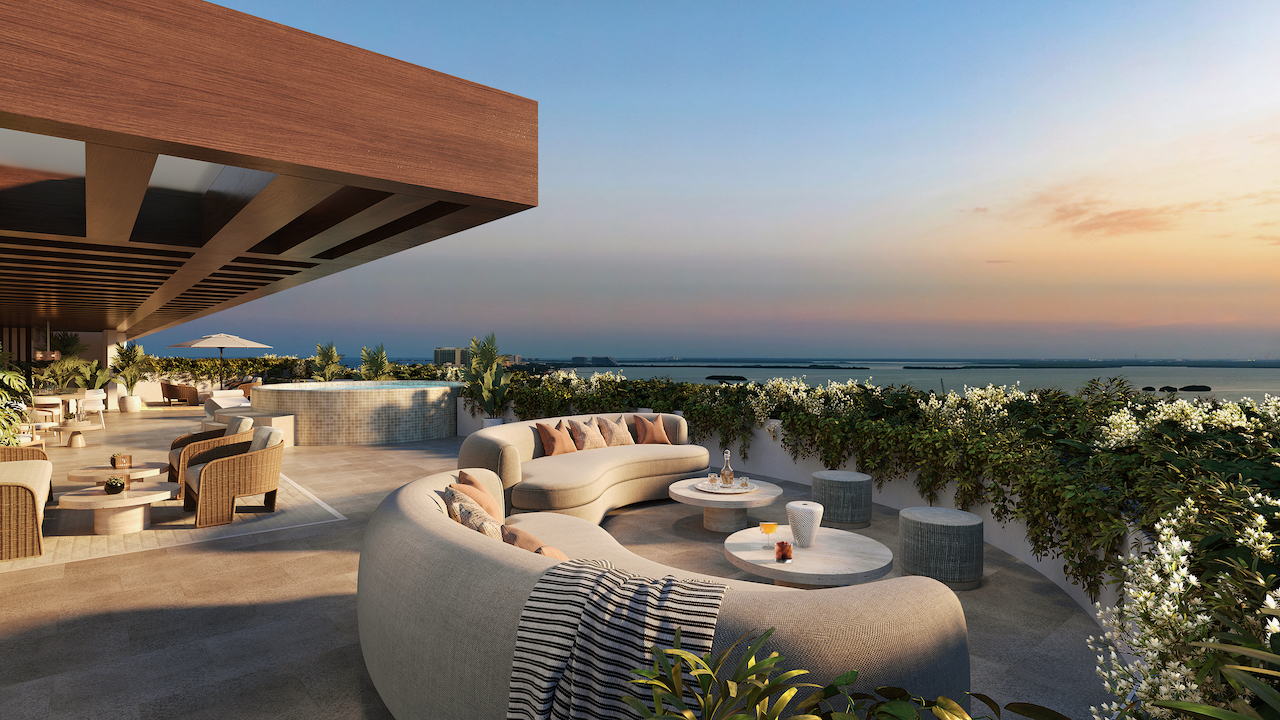
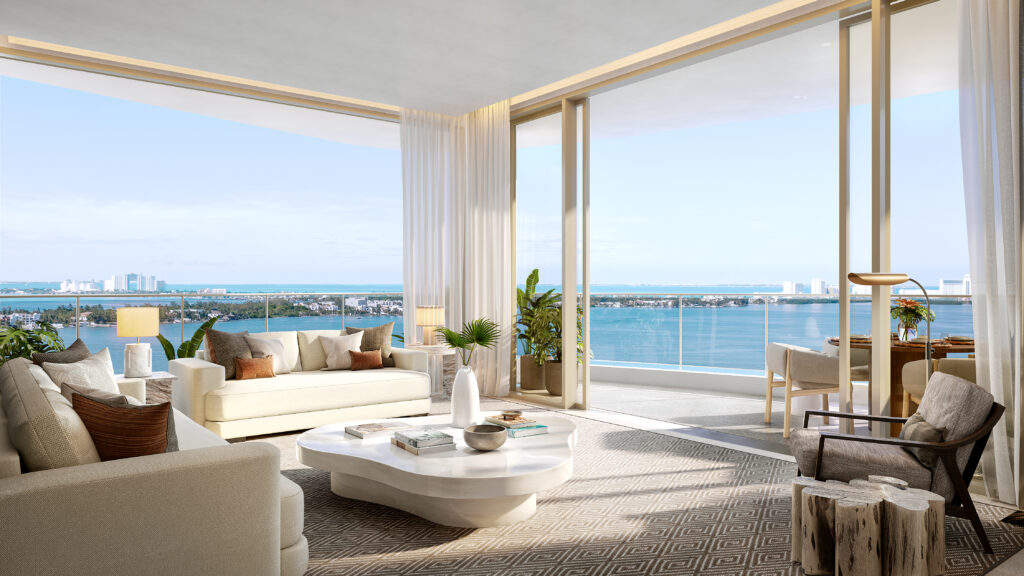
The design of One Laguna reflects the natural beauty of its surroundings. Using organic shapes, natural materials, and open spaces, the architecture connects residents with the lagoon. Large windows offer views of the water and mangroves, creating a sense of unity with nature.
This approach is more than aesthetic. It expresses a commitment to care for the lagoon as a living partner. Every detail, from landscaping to infrastructure, supports this ecological relationship.
Residents as Active Stewards
One Laguna makes it easy for residents to care for the environment. Simple actions like walking on elevated paths, observing local wildlife, and joining conservation programs become part of daily life. The community educates homeowners about the lagoon’s importance, fostering pride and shared responsibility.
This creates a new kind of luxury living, where exclusivity blends with environmental care. Living at One Laguna means enjoying privilege while protecting a precious ecosystem.
A Model for Future Coastal Communities
In a world where many developments only claim to be sustainable, One Laguna sets a true example. Its combination of science, thoughtful design, and community involvement shows how luxury projects can promote ecological restoration.
One Laguna offers a blueprint for future developments worldwide. By honoring and restoring the ecosystems that support us, it redefines the connection between people and nature.
Regenerative Architecture: A Dialogue with Time and Place
The concept of arquitectura regenerativa at One Laguna transcends the mere use of eco-friendly materials or energy-saving systems. It is a philosophy that invites architecture to engage in a dialogue with the lagoon’s rhythms and cycles. The buildings do not impose themselves on the landscape. Instead, they arise from it, shaped by the contours of the land, the play of light on water, and the whisper of the breeze through mangroves.
Natural materials such as stone, wood, and clay are chosen not only for their beauty but for their capacity to age gracefully. Their textures and colors evolve with time, reflecting the passage of seasons and the slow transformation of the environment. This materiality grounds the residences in the place, creating a sense of permanence and belonging.
Architectural forms mimic organic shapes found in nature — curved lines that echo the flow of water, open patios that invite air and light, roofs that collect rain. These elements foster a seamless transition between interior and exterior, reminding residents that their home is part of a larger ecosystem.
This regenerative approach also means anticipating the future. Structures are designed to adapt to changing climate conditions and ecological needs. Green roofs, permeable surfaces, and shaded corridors reduce heat and support biodiversity. The architecture becomes a living system, capable of healing and renewing itself in harmony with the lagoon.
For those interested in how this philosophy unfolds in practice, the work of HKS Architects: the firm behind One Laguna offers deeper insight into the careful balance between innovation and restraint.
The Laguna Nichupté: More Than a Backdrop
The Laguna Nichupté is not merely a scenic view or a recreational feature at One Laguna. It is the very heart of the community’s identity. Its waters, mangroves, and wildlife form a living tapestry that shapes daily life.
Understanding the lagoon’s ecological significance reveals why its care demands sostenibilidad activa. The lagoon filters water, buffers storms, and supports species that are part of the region’s cultural heritage. Birds migrating along the Yucatan Peninsula find refuge here. Fish that sustain local fishermen spawn in its calm waters.
One Laguna’s commitment to restauración ecosistema recognizes these roles and acts accordingly. The community’s efforts to rehabilitate damaged mangroves, reduce runoff pollution, and monitor water quality contribute to the lagoon’s resilience. This is not passive stewardship but an ongoing act of healing.
Living beside such a vital ecosystem invites residents to slow down and listen to the lagoon’s subtle changes. The gentle lapping of waves, the dance of light on water, the calls of herons at dusk — these are daily reminders of nature’s presence and fragility.
For a broader perspective on lakeside life and its profound influence on design and lifestyle, the article The art of living on water: lakeside life at One Laguna explores this intimate relationship in poetic detail.

Community and Culture: Silence as a Shared Value
One Laguna’s approach to ecological guardianship extends beyond physical design to embrace a cultural ethos. Here, silence is more than absence of noise; it is a form of respect. It is the luxury of quiet moments shared between humans and nature.
The community fosters this silence through design choices that minimize sound pollution and encourage contemplation. The elevated pathways, the subtle lighting, the careful landscaping all contribute to an atmosphere where the lagoon’s own sounds take center stage.
This silence nurtures a deeper connection to place, inviting residents to observe the slow unfolding of natural cycles. It cultivates mindfulness and a sense of stewardship rooted not in obligation but in love.
In this way, One Laguna aligns with the ideas discussed in Silence as luxury: architecture without ego. The architecture and community life reject grandiosity. Instead, they embrace humility and attentiveness to the ecosystem’s needs.
Discover more about our sustainability initiatives and explore luxury residences that embrace living with nature at One Laguna.