
Sunsets Over Nichupté: The Science Behind the Color
Why the sky above the Nichupté Lagoon catches fire each evening: Rayleigh scattering, tropical humidity and a mirror of water that doubles the color.

Sunsets Over Nichupté: The Science Behind the Color
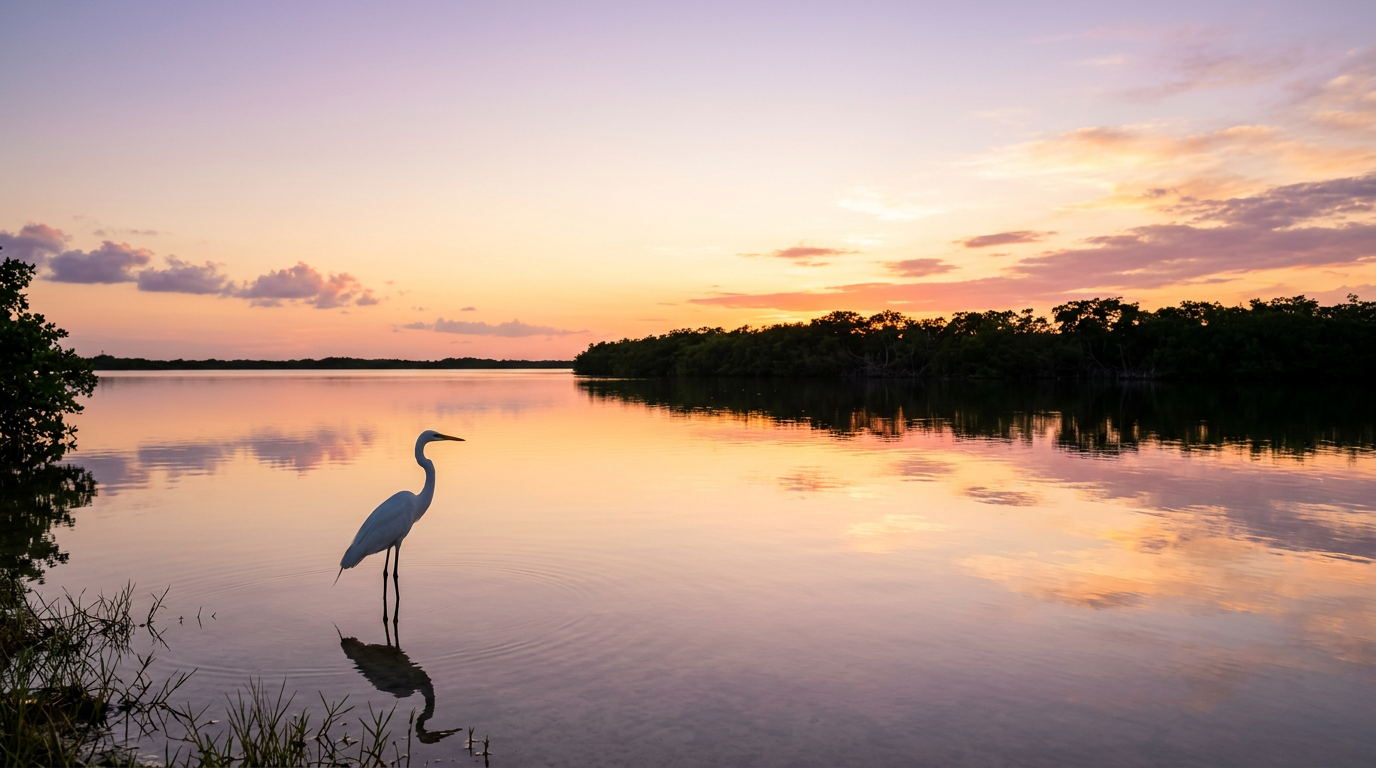
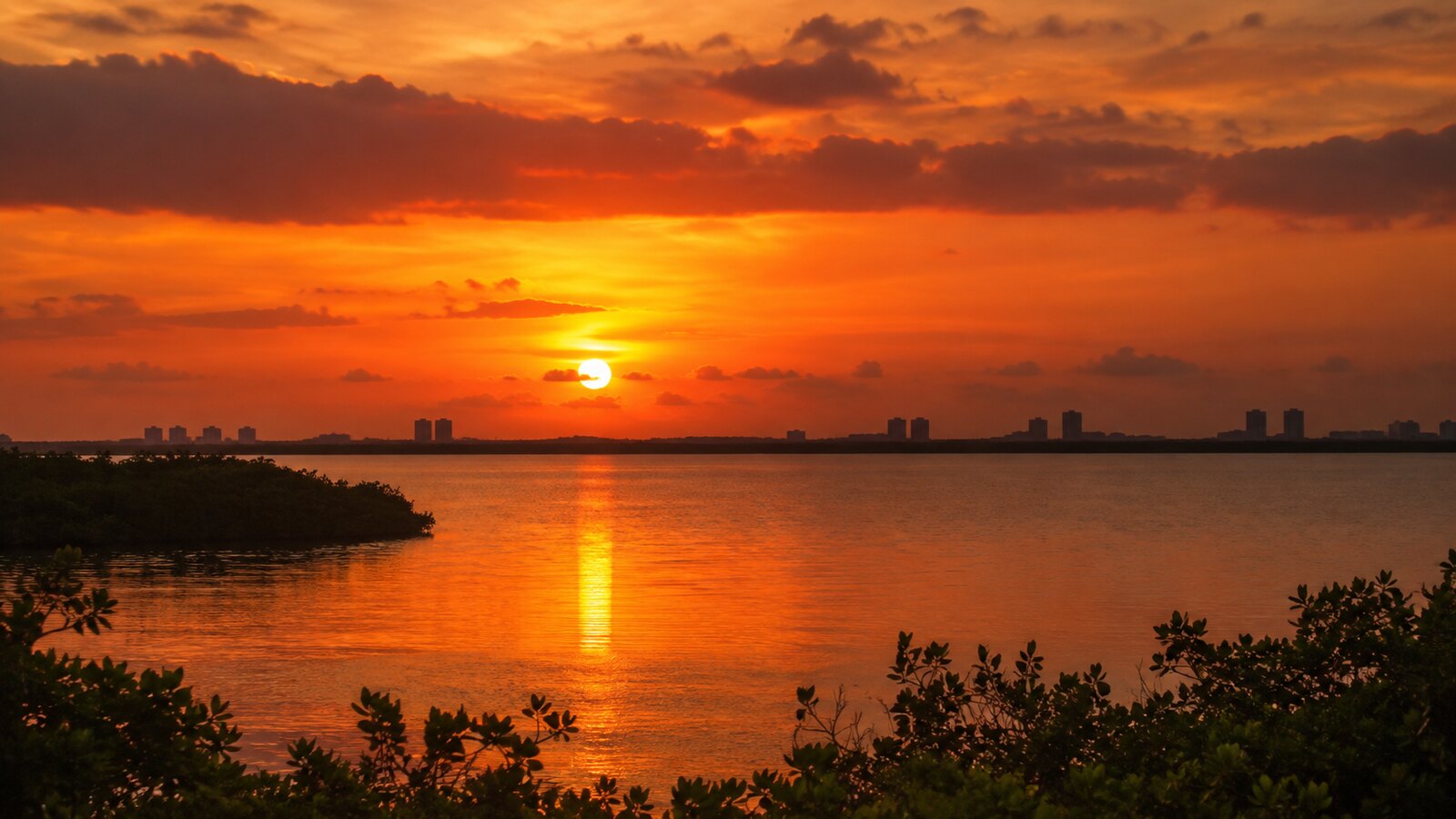
There is an hour in Cancún when everyone turns to face the same direction. Not toward the Caribbean, but toward the west. Toward the lagoon. It is the moment when the sky above Nichupté begins to ignite, and for a few minutes the water stops being water and becomes a second sky, laid flat against the ground.
Those who have seen it always reach for the same words: unreal, impossible, painted. Yet there is nothing supernatural about it. What happens each evening over the Nichupté Lagoon is pure physics — a precise choreography of light, air and water that has repeated itself since long before the city existed, and will go on repeating long after. It is worth understanding. Knowing why the sky catches fire takes nothing away from its beauty. It multiplies it.
Why the sky is blue and the sunset is not
It all begins with a question that sounds childish and is not: why is the sky blue?
Sunlight is white, but white is a mixture. It contains every color of the spectrum, each traveling at a different wavelength — red in long, lazy waves, blue and violet in short, restless ones. When that light enters the atmosphere, it collides with the nitrogen and oxygen molecules that make up the air. And here is where the decisive thing happens.
That collision scatters the light, but not every color equally. The phenomenon is called Rayleigh scattering, after the British physicist who described it in 1871, and it obeys an unforgiving rule: scattering is inversely proportional to the fourth power of the wavelength. Translated: short waves scatter vastly more than long ones. Blue spreads across the entire sky, bouncing from molecule to molecule until it reaches our eyes from every direction. That is why, at midday, the whole sky is blue.
At sunset, the geometry changes completely.
The longest journey of light
When the sun sinks toward the horizon, its light no longer enters the atmosphere vertically. It enters from the side, on a diagonal, which means it must cross a far thicker layer of air before reaching us — up to forty times longer than at noon.
Over that endless path, blue and green scatter so much, so early, that they are exhausted along the way. They are lost sideways before they ever reach the ground. The only thing that survives the journey are the long waves: orange, red, amber. They are the most stubborn colors, the least willing to be deflected, and so they are the last ones left standing. A sunset is not the sky changing color. It is the sky losing every color but one.
A second kind of scattering comes into play, and it is what gives Nichupté its particular signature. It is called Mie scattering, produced by particles far larger than air molecules: droplets of humidity, aerosols, suspended crystals of sea salt. Unlike Rayleigh, Mie scattering does not discriminate between wavelengths — it spreads all colors equally, and what it does is intensify, saturate, give body to the light. In an atmosphere heavy with tropical humidity, those reds and oranges do not look pale: they look dense, almost liquid.
The advantage of the 21st parallel
Cancún sits at just over 21 degrees of north latitude, squarely within the tropics. That position is no minor geographic footnote: it defines the very quality of its sunsets.
At tropical latitudes the sun sets at a far more vertical angle than in temperate regions. Instead of sliding along the horizon on a long diagonal, as it does in northern Europe, it descends more directly. This produces intense crepuscular light with rapid transitions and deep colors that arrive quickly. And here tropical humidity works in its favor once again: the warm Caribbean air holds an enormous quantity of water vapor, and that vapor — as long as it does not thicken into cloud — acts as an amplifier of Mie scattering.
There is a delicate balance in all of this. A sky that is too clean, with no particles, produces pale sunsets. A sky that is too dirty, with excess pollution, dulls the colors into gray. Nichupté lives almost always at the perfect midpoint: enough humidity to saturate, enough purity not to muddy.
The mirror that doubles the sky
So far we have spoken of the air. But the ingredient that separates a good sunset from an unforgettable one lies below, not above.
The Nichupté Lagoon covers more than three thousand hectares of water that is almost always calm. It has no real swell, none of the agitation of the open sea. On windless evenings, its surface becomes what physics calls a specular reflector: a nearly perfect mirror. Every band of color in the sky is doubled on the water, and the line of the horizon blurs until it vanishes. The observer stops knowing where the sky ends and the lagoon begins.
That stillness is no accident. The lagoon is sheltered from the open sea by the sandbar of the Hotel Zone, which protects it from Caribbean swell. And it faces west, with the low profile of the mainland city as its only horizon, so the sun stays visible across a wider arc. It is the reason Nichupté's sunsets feel longer than normal — sometimes a full forty minutes of light that fades so slowly you do not notice the change until it has already happened.
A light that never repeats
There is something humbling and beautiful in understanding the mechanism. Each sunset over the lagoon is, literally, unrepeatable. The exact amount of water vapor in the air, the position of the salt particles, the density of the clouds on the horizon, the precise angle of the sun on that day of the year — all of it combines into an equation that never yields the same result twice.
The sunset you see this evening has been seen by no one before and will be seen by no one after. It is a function of variables that will never align the same way again. What the Maya read as a message from the heavens, what we now know to be atmospheric optics, turns out to be both at once: a phenomenon perfectly explainable and perfectly unique.
The privilege of facing west
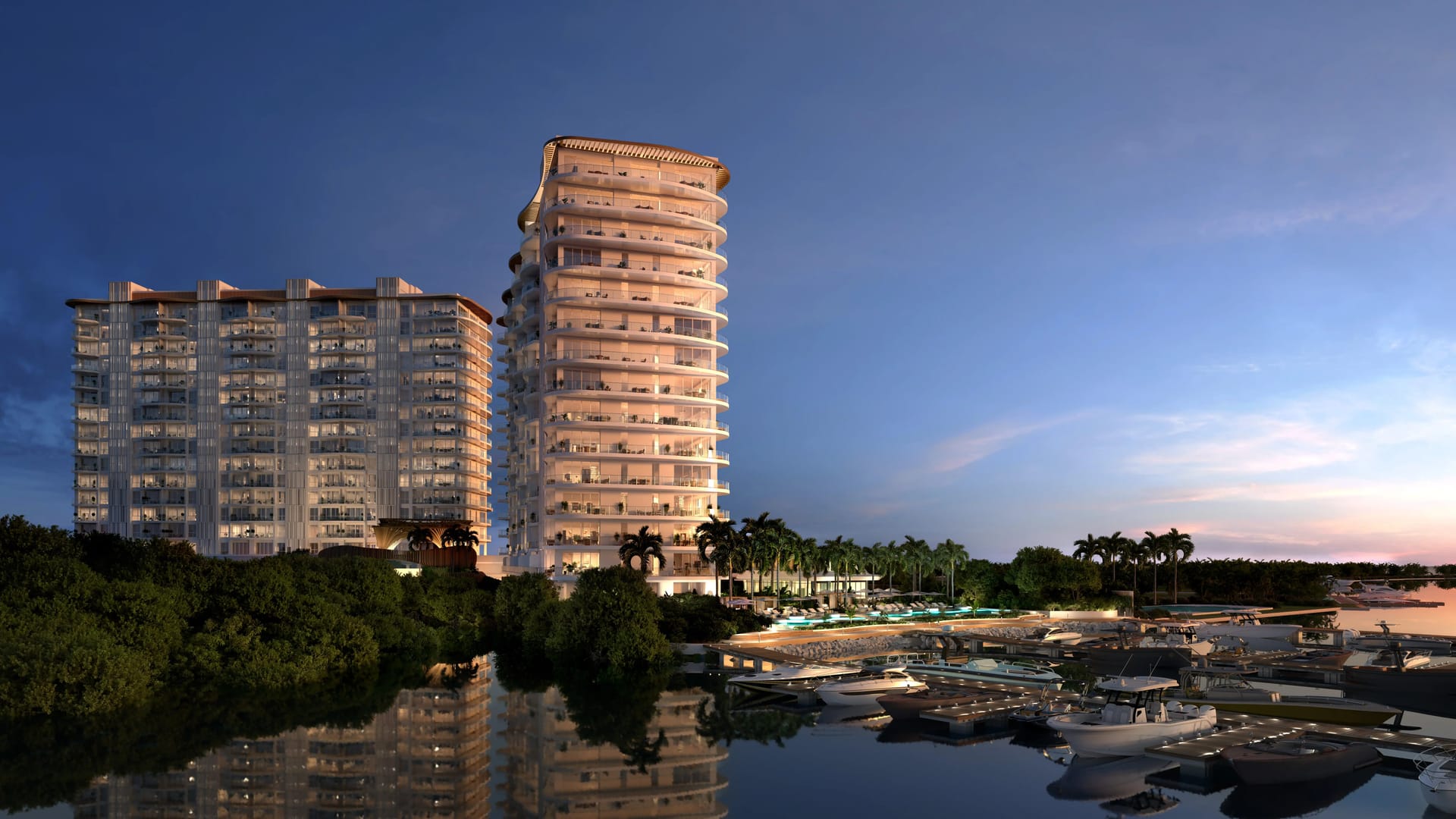
Nearly all of Cancún looks east. Toward the blue of the Caribbean, toward the familiar postcard. Very few buildings, very few terraces, very few lives are oriented toward where the real spectacle takes place.
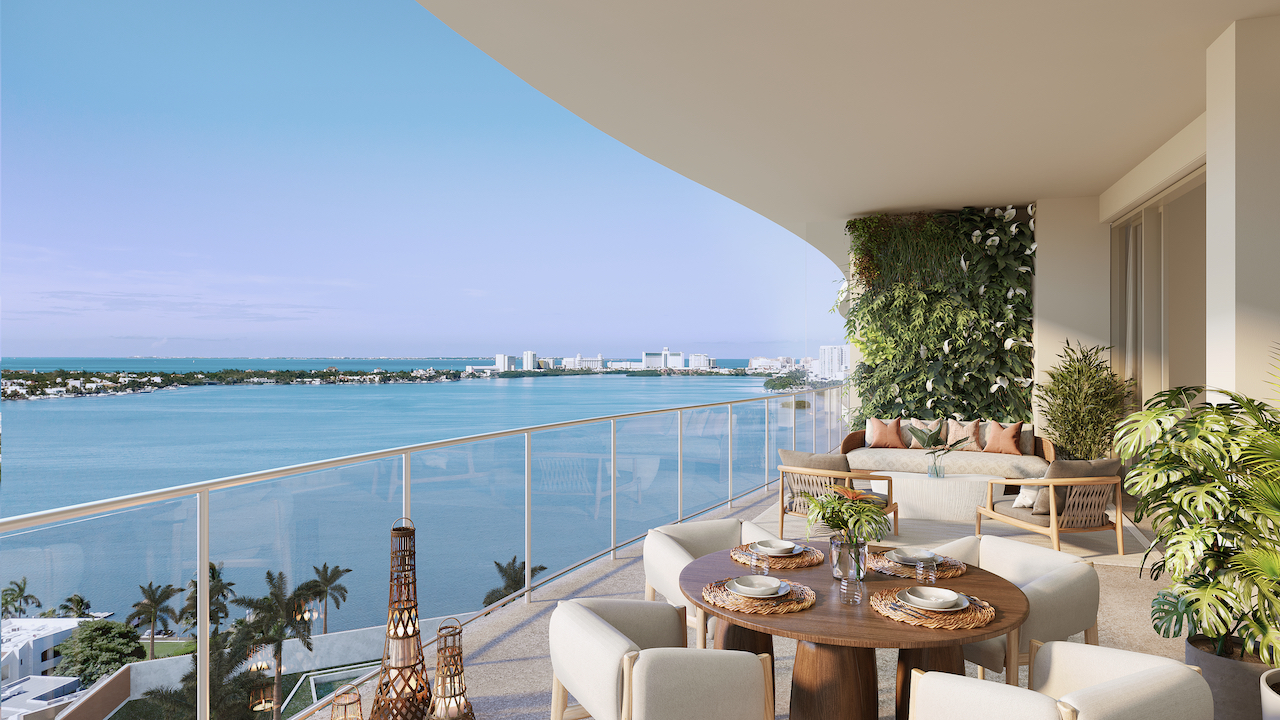
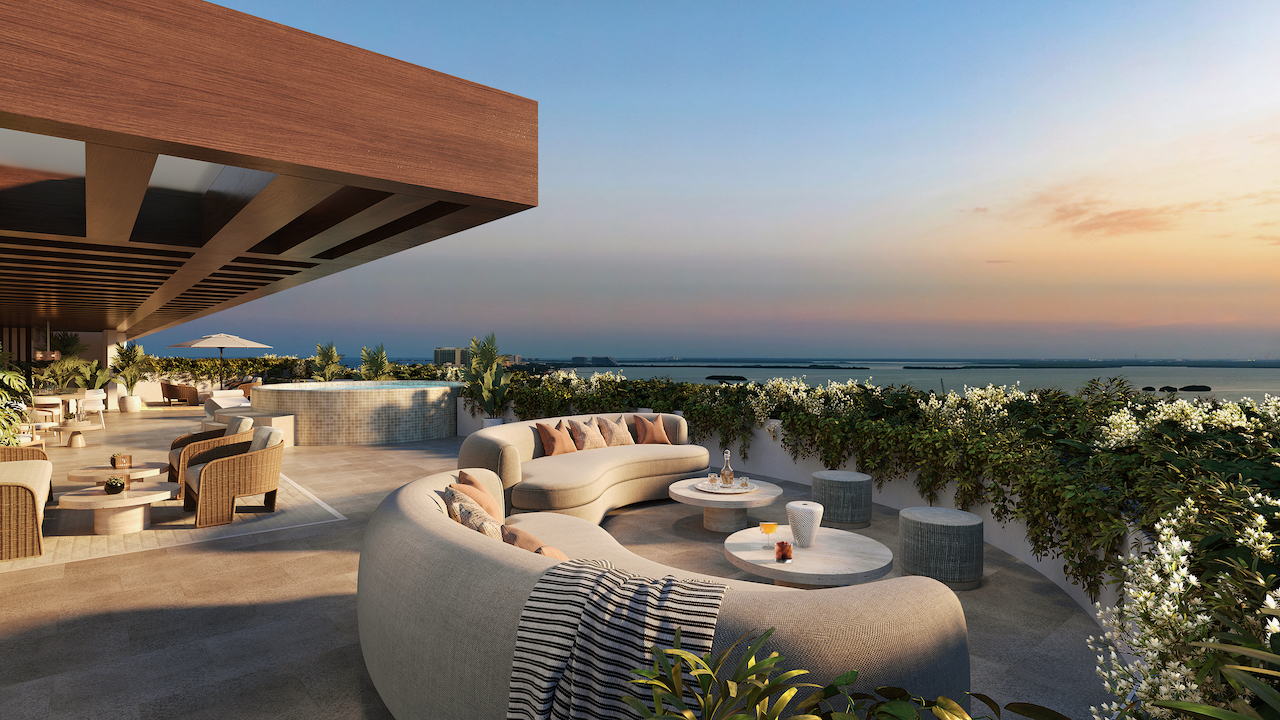
To live facing the lagoon is, at heart, a decision about which light you want to see every day. It is choosing the side where the sun goes down. It is having, each evening, a front-row seat to a performance of atmospheric physics that charges no admission, lasts forty minutes, and never repeats.
The Caribbean is blue at any hour. The lagoon, by contrast, saves its best color for the end of the day — and surrenders it only to those who know which way to look.